|
Tue 14th Aug 2018
Anthony David Joy –
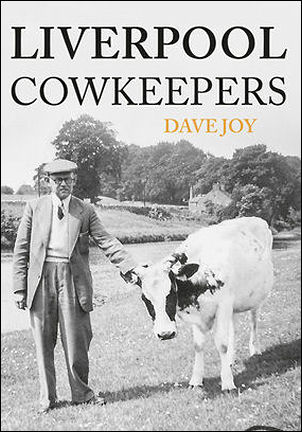
Liverpool Cowkeepers – A Family History. |
|
|
|
David, author of two books on the subject, described the social
and economic conditions of fast growing northern towns and
cities in the 19th century. This caused a depression in rural
areas with many people moving to urban areas for work.
Like many other farming families at that time, the Joys decided
to set up a small herd of about 6 to 8 cattle in the city, in
their case Liverpool. They then produced and sold fresh milk
close to where the customers lived. The Joys hailed from Hebden
in the Yorkshire dales but many farmers moved to towns and
cities from across the northern hinterland.
|

Stephen Gill |
|
These small herds, ‘city herds’, were kept in purpose-built end
terraces that included living accommodation for humans and
livestock, cart shed, yard and shop. Links with the home farm
were not broken as dry cows, for example, were sent back by
train for the bull.
By 1900 Liverpool had 500 properties
licensed to operate city herds with about 6,500 cattle.
Naturally, cattle were a common sight in urban areas and
Liverpool had ‘cow Fridays’, when cattle were brought by train
to Lime Street station. They were then herded through streets
for cowkeepers to buy.
|
 |
Both world wars impacted on the trade and competition from
corporate dairies who received milk by train and it sold in the
cities. Refrigeration and the coming of the Milk Marketing Board
brought further change.
The Joys kept their city herd and
sold its own milk into the 1950s, when the herd was dispensed
with and they decided to buy in milk for sale as milkmen.
Liverpool was the last stronghold of the city cowkeeper with the
last one finishing in 1975.
Anthony was an engaging
speaker who, with humour, threw light on a way of life of a now
bygone age. |
|
Peter Robinson |
|
 |
 |
|
 back
back